
Baby walkers, activity centres and push-along toys
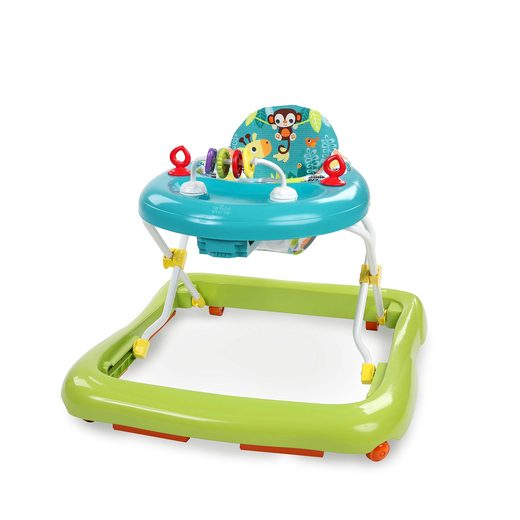
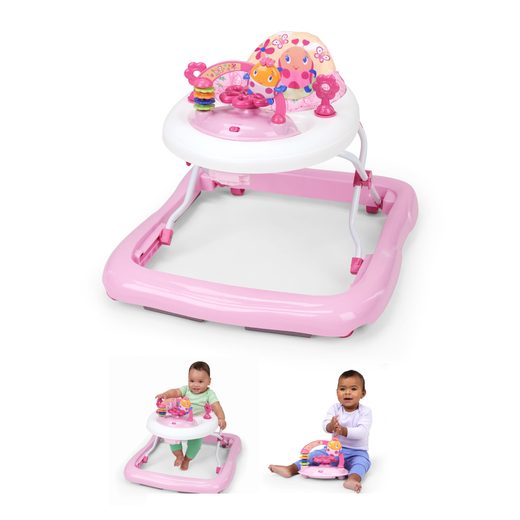
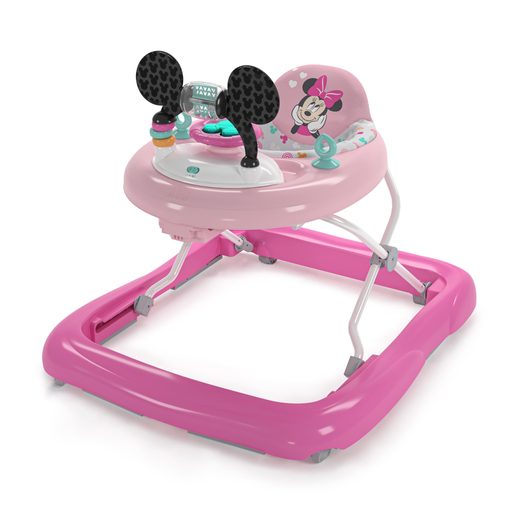
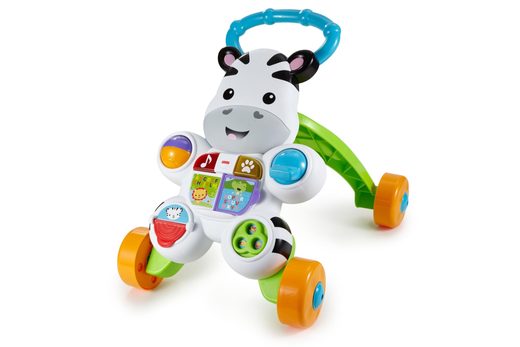
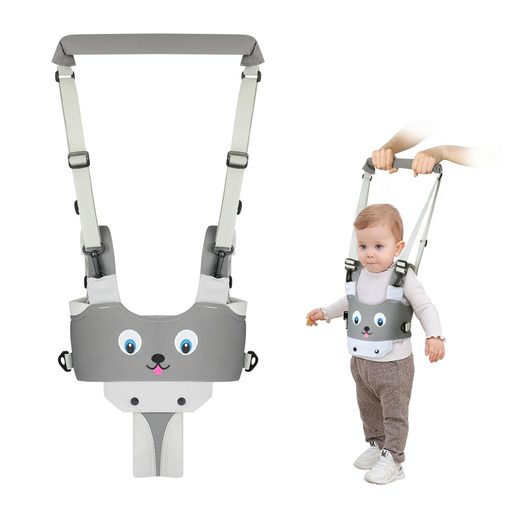
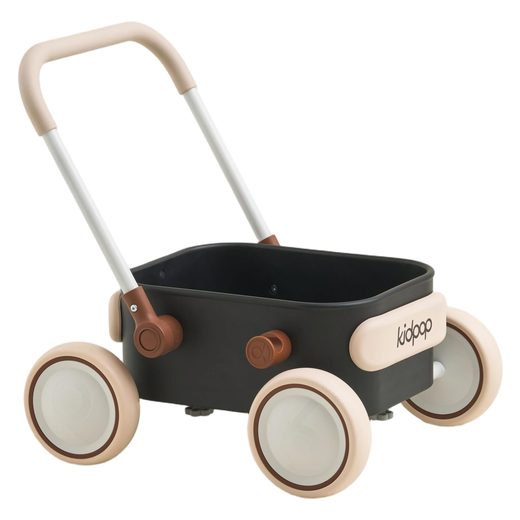
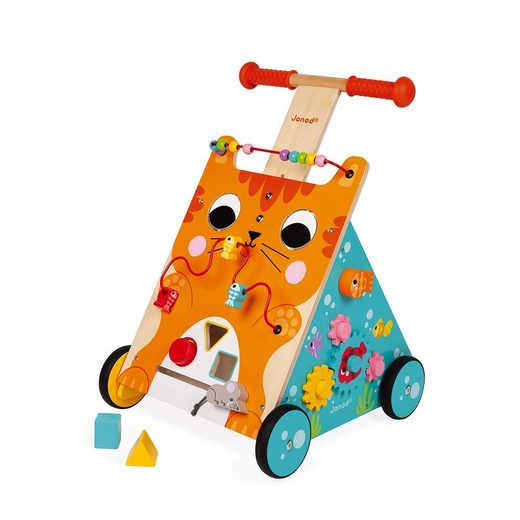
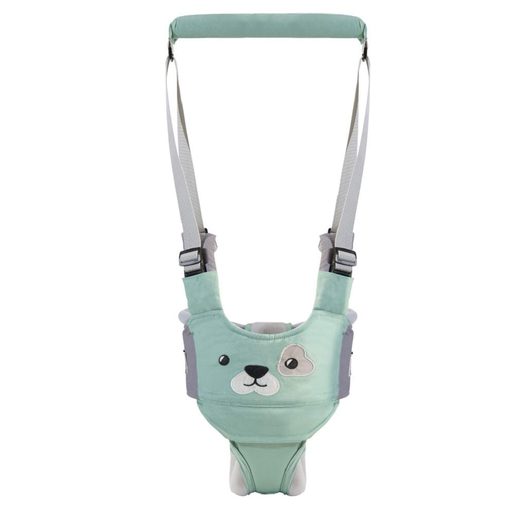
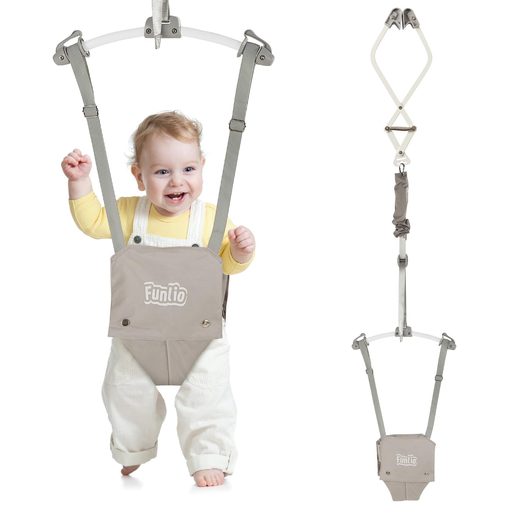
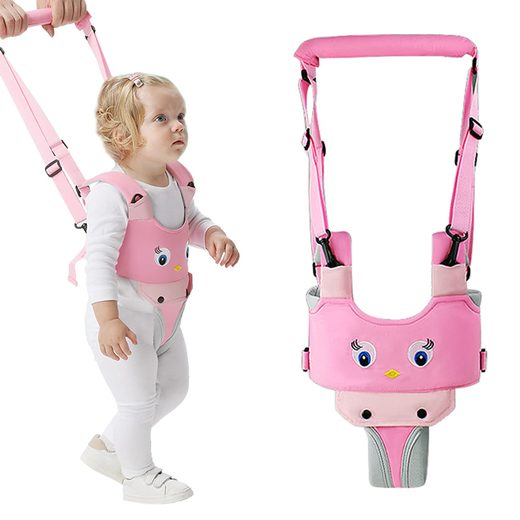
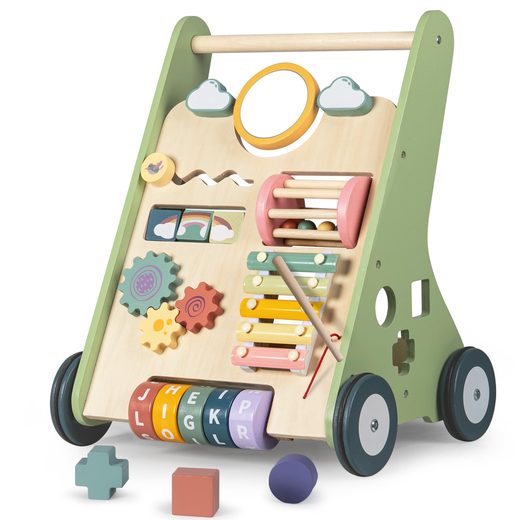
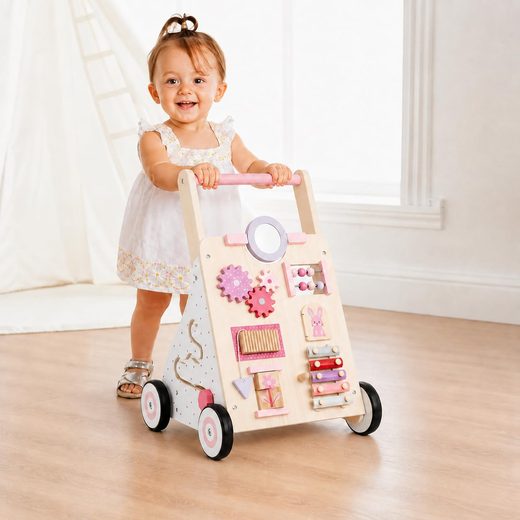
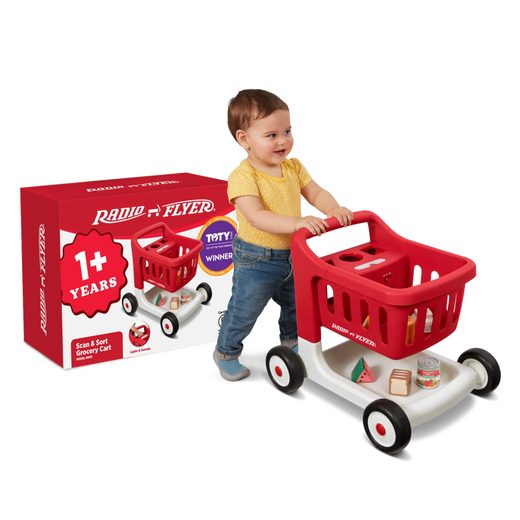
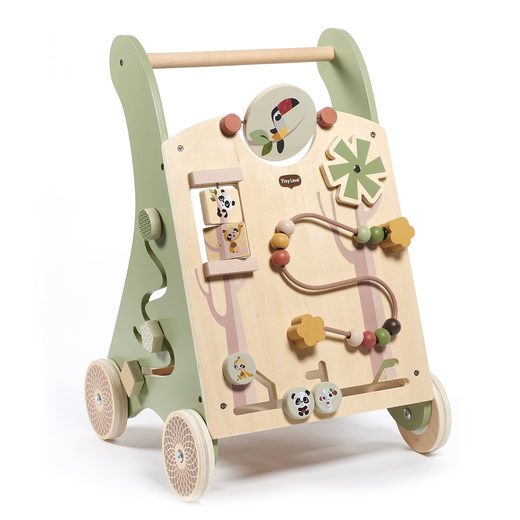
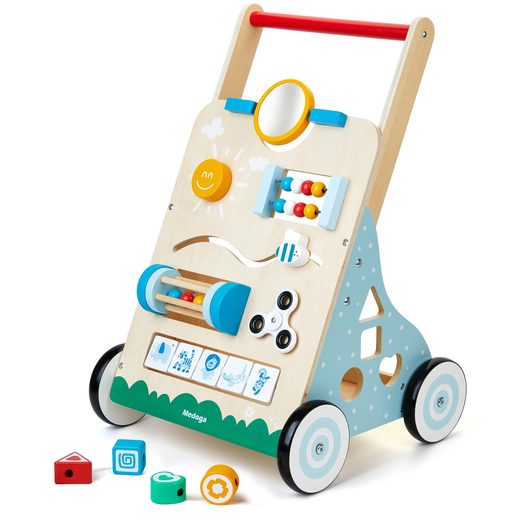
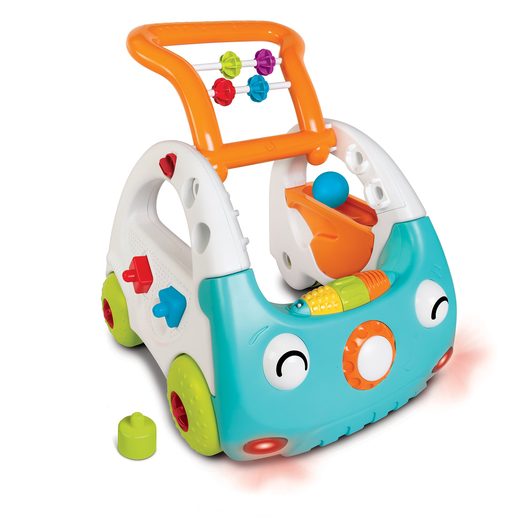
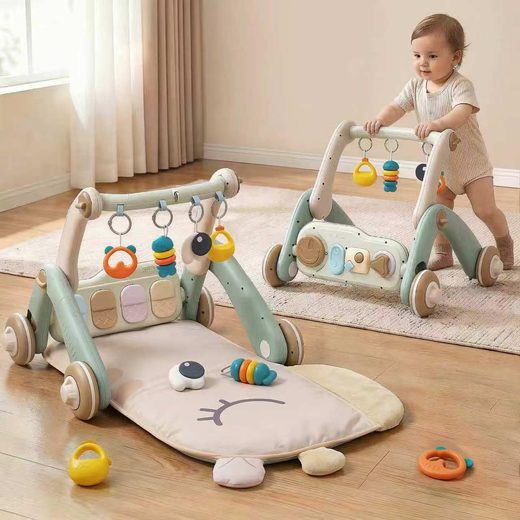
Wooden push-along walkers, activity walkers, jumpers and walking harnesses to support first steps and active play, with a grown-up always close by.
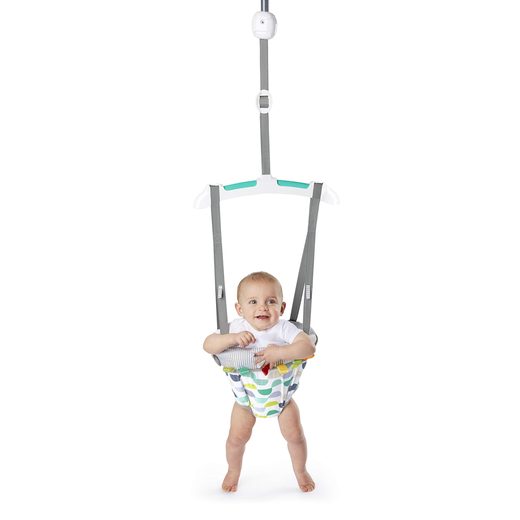
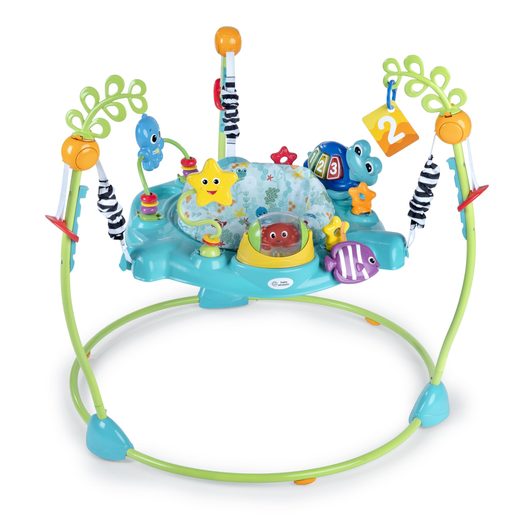
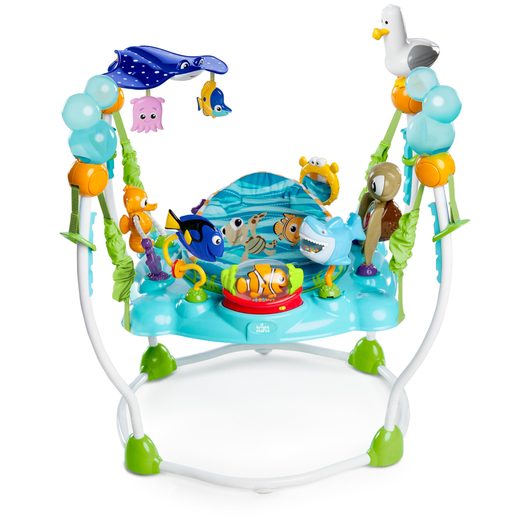
Baby Einstein Ocean Explorers Curiosity Cove 2-in-1 Educational Activity Jumper
No matches
Try removing a filter or searching for a different word.
How to choose: baby walkers
Know the types
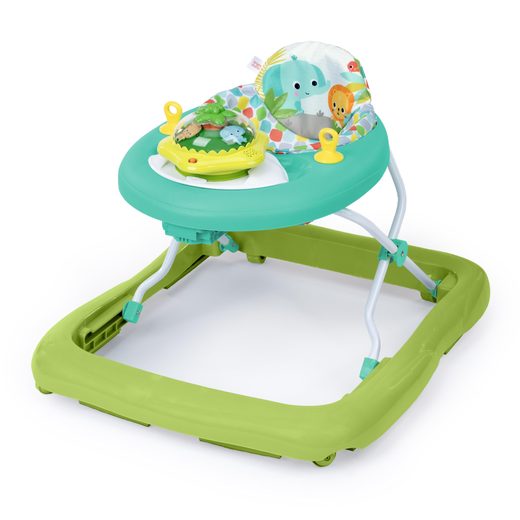
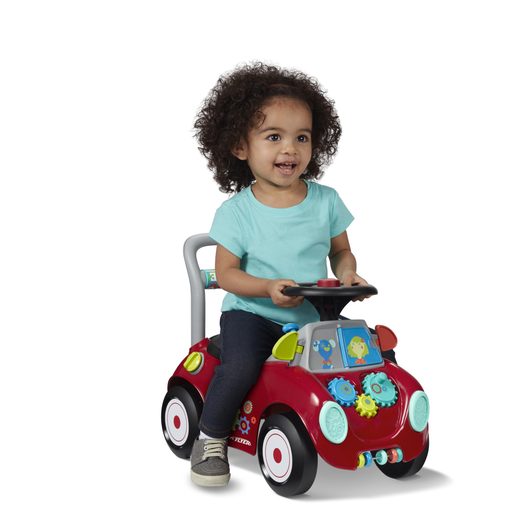
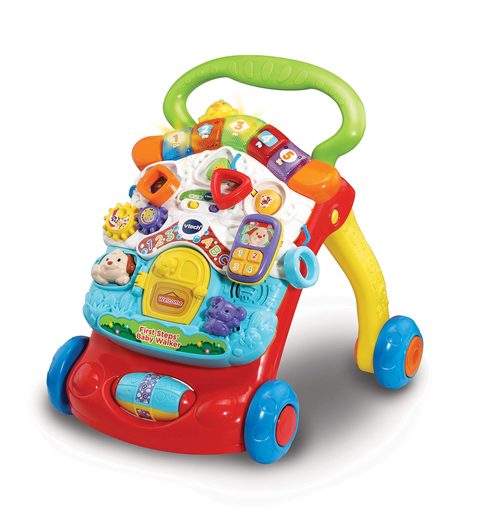
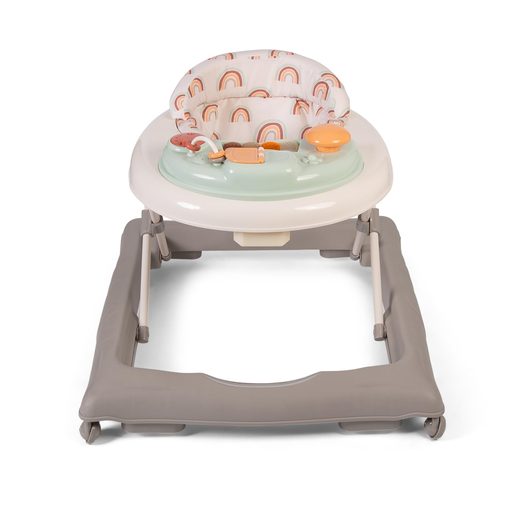
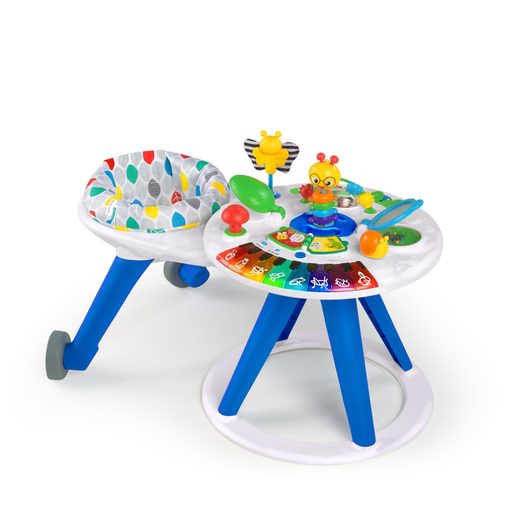
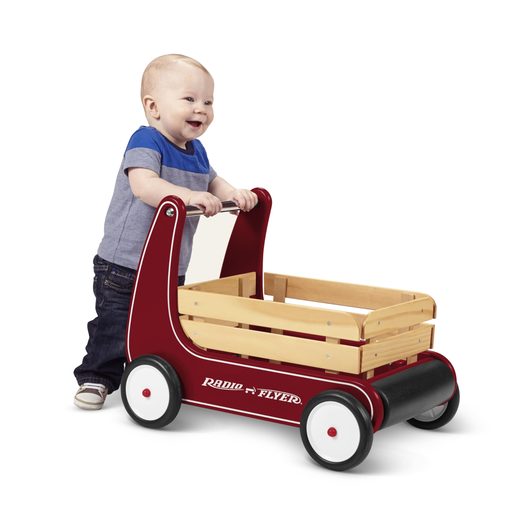
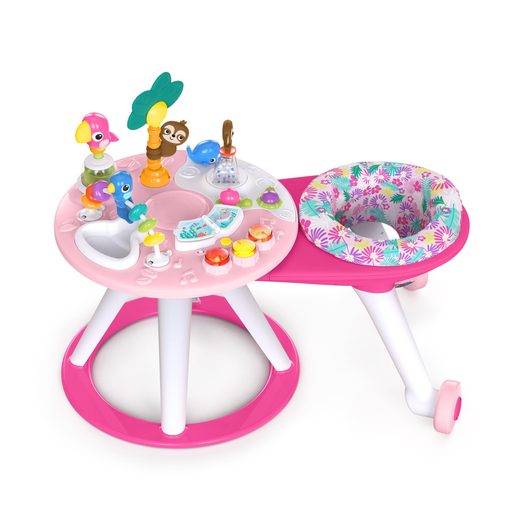
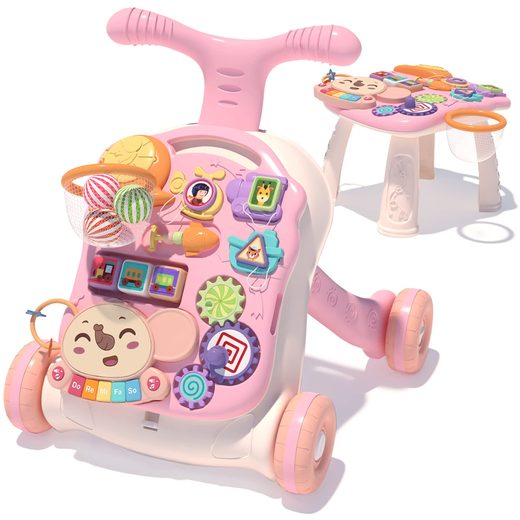
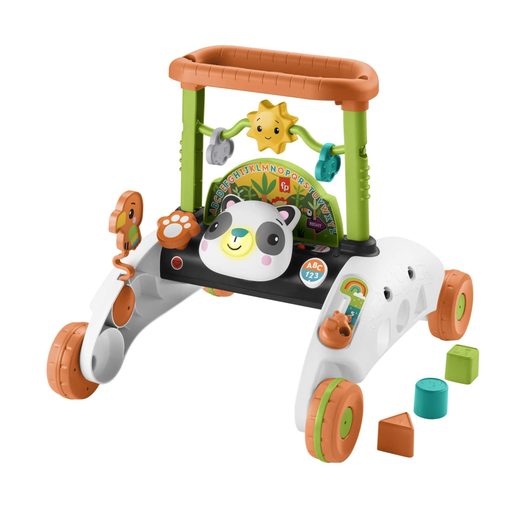
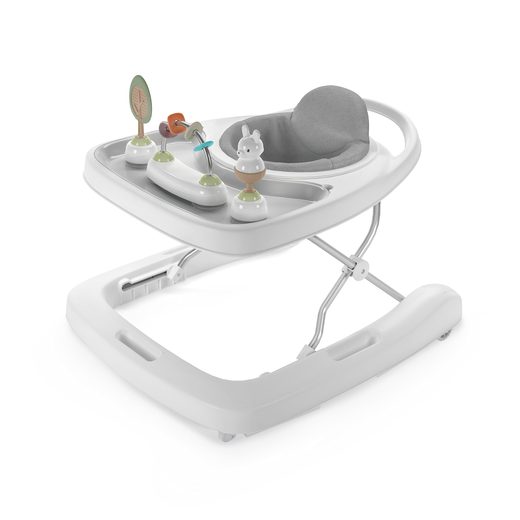
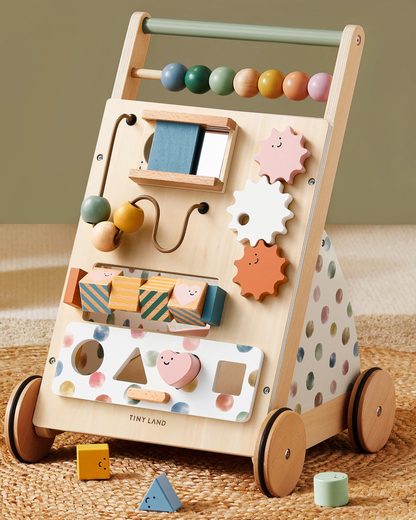
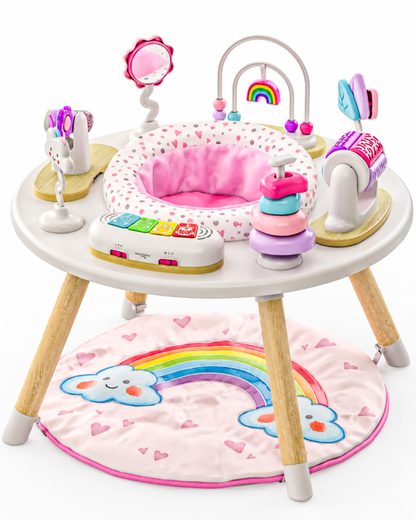
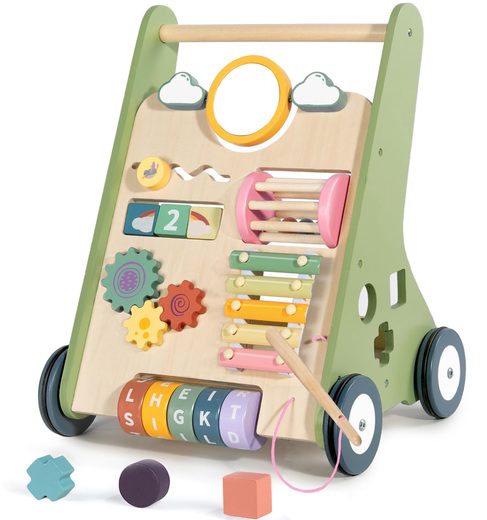
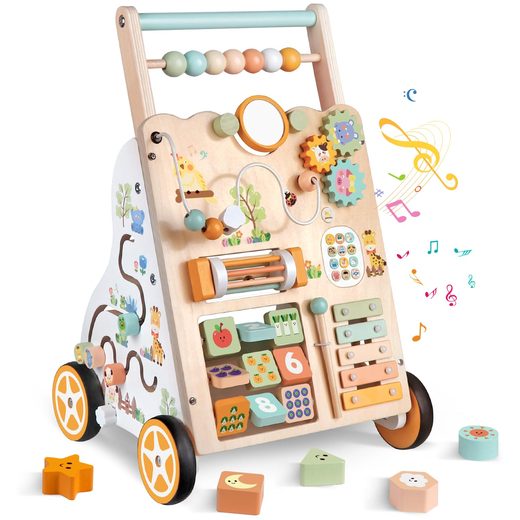
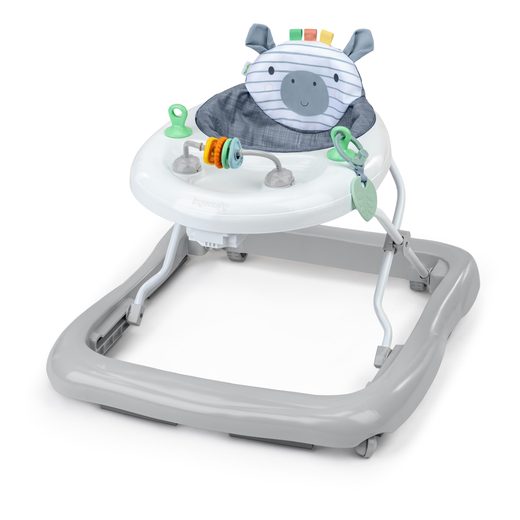
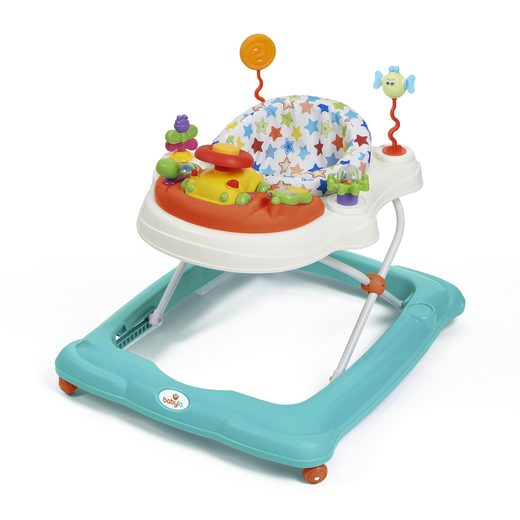
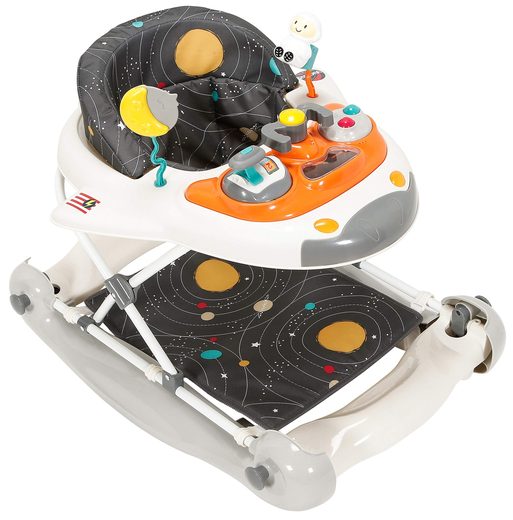
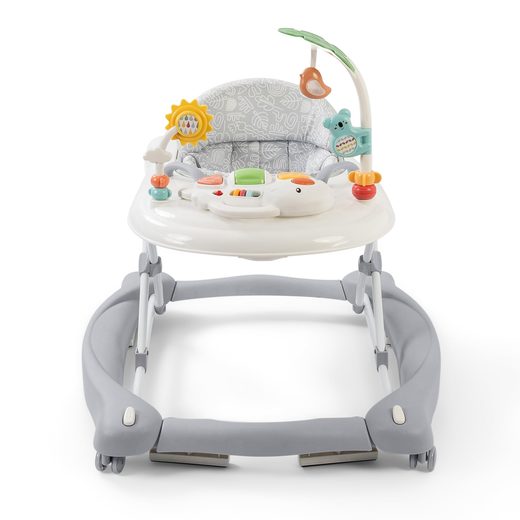
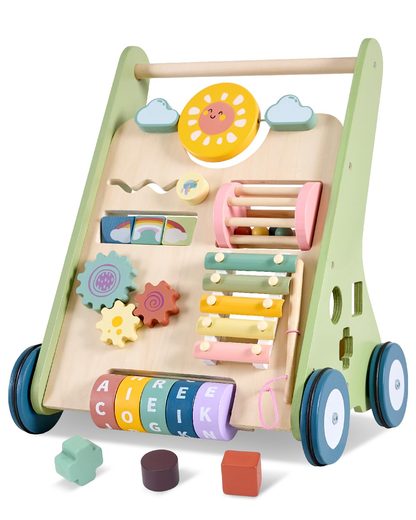
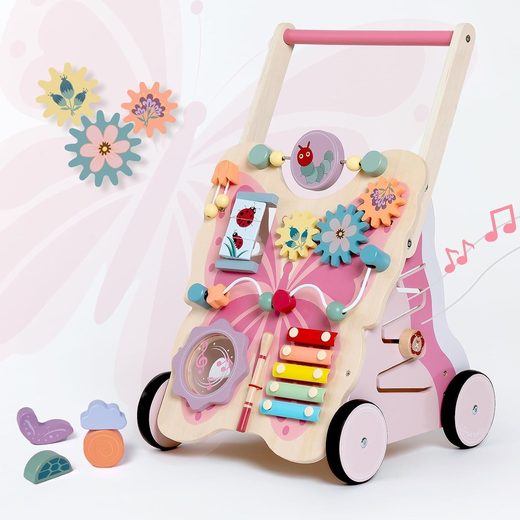
Push-along walkers give a child something sturdy to hold and push. Activity walkers and centres add music and lights, and jumpers support bouncing. Walking harnesses are hand-held aids for a parent. Note that some safety organisations advise caution with sit-in walkers, so read the manufacturer's guidance and what suits your child.
Match it to your child
Look at the age range, whether the height adjusts, and whether the toy is stable. Push-along walkers suit children who can already pull up to stand.
Check your space
Walkers work best on smooth, level floors with plenty of room. Keep them well away from stairs, steps and anything hot or breakable, and fold-flat designs help with storage.
Always supervise
No walker or jumper replaces an adult. Stay close, stop using anything that is loose or damaged, and follow the instructions for assembly and use.